
Unlock Instant Connectivity With the Best Prepaid eSIM Deals Today
Over 90% of modern smartphones now support embedded SIM technology, yet most users still rely on physical cards. A prepaid eSIM is a digital profile that installs directly into your device, eliminating the need for a plastic SIM entirely. It works by scanning a QR code or entering an activation code from a provider, instantly connecting you to a local network without visiting a store. This allows you to manage multiple plans simultaneously, switching between them as needed without swapping hardware.
What Makes a Prepaid eSIM Different from Traditional SIMs
The main difference is that a prepaid eSIM is entirely digital—there’s no physical card to swap. Instead, you download a profile directly to your phone, which means you can activate a plan instantly without waiting for a SIM to arrive. A prepaid eSIM lets you switch between carriers or add data plans on the fly, even keeping your home SIM inside the phone for calls while using the eSIM for data abroad.
This eliminates the need to fumble with tiny trays or risk losing your primary SIM when traveling.
You manage everything through an app or QR code, so topping up or changing plans is done in seconds, not hours.
How eSIM Technology Eliminates Physical Card Hassles
With a prepaid eSIM, you eliminate the need to source, insert, or store a physical plastic card. Activation is handled entirely through a digital profile, so you never risk losing a tiny SIM or damaging slot pins during a swap. Travelers avoid carrying multiple physical cards for different countries, as they can switch between prepaid plans via a settings menu instead of physically changing chips. This digital provisioning also removes the hassle of waiting for a SIM to be mailed or hunting down a local store on arrival, making the prepaid plan immediately usable upon scanning a QR code. Instant carrier switching without card swaps is the core efficiency gain, as a single eSIM can hold multiple prepaid profiles, letting you toggle between them in seconds with no physical intervention.
Comparing Activation Speed: Chip vs. Digital Profile
When comparing activation speed, a prepaid eSIM’s digital profile activates instantly, while a traditional SIM chip requires physical handling. With a chip, you must wait for delivery, then insert and wait for carrier provisioning—a process that can take hours or days. In contrast, eSIM activation is near-instantaneous after purchase: you scan a QR code or download a profile, and the network registers the prepaid plan within minutes. This faster eSIM profile installation eliminates shipping delays and manual steps. The clear sequence is:
- Purchase a prepaid eSIM plan online.
- Receive a QR code or digital profile via email.
- Scan or download directly to your device.
- Connect to the network immediately—no wait, no physical card.
Why Travelers Are Switching to Virtual Prepaid Plans
Travelers are ditching plastic SIMs because virtual prepaid plans let them activate data before leaving home, avoiding airport kiosk chaos. You buy, scan a QR code, and connect instantly upon landing—no hunting for local shops. Physical cards get lost in luggage or require prying open phone trays, while eSIMs live safely in your device. Ever paid for a whole month when you only needed a week? Virtual plans let you pick flexible durations like 7 or 15 days, wasting no cash. Q: Why are travelers switching to virtual prepaid plans? A: For the pure convenience of setting up their connection from the sofa, skipping hardware hassle entirely.
Top Benefits of Choosing a Pay-As-You-Go Digital SIM
The top benefit of choosing a pay-as-you-go digital SIM is absolute control over your spending. Unlike contracts, you only pay for the data you actually use, making it perfect for managing travel or secondary device budgets. A key prepaid esim advantage is instant activation; you can buy a small data pack and be online within minutes, avoiding credit checks or surprise bills. This flexibility allows you to switch providers or top up on demand, eliminating any long-term commitment and wasted credit. For users who value transparency and want to avoid monthly fees, a pay-as-you-go prepaid esim offers a frictionless, budget-friendly experience.
No Contracts, No Surprises: Transparent Billing Explained

With a prepaid eSIM, transparent billing eliminates hidden fees. You see the exact cost before you buy, with no surprise charges after your data runs out. Because there’s no contract, you control when to top up or switch plans. Every renewal simply deducts the quoted price from your balance, leaving no room for ambiguous “service” or “regulatory” fees to appear later. Q: How does no-contract billing prevent surprises? A: You pay only for the data pack you select upfront; the provider cannot charge you for unused days or add penalties because there is no long-term agreement to break.
Instant Connectivity Across Borders Without Roaming Fees
A prepaid eSIM enables instant connectivity across borders without roaming fees by allowing you to purchase and activate a local data plan from a dedicated app before or immediately upon arrival. This eliminates the delay of physical SIM swaps and the cost of international roaming bundles. Once the plan is active, your device connects to a local network automatically, providing immediate network access for navigation, messaging, and essential services, all while your home carrier’s roaming charges remain completely unapplied.
| Aspect | Benefit |
| Time to Connect | Activation in seconds via app |
| Cost per MB | Local rates; no daily roaming fees |
| Network Change | Automatic handoff to local tower |
Flexibility to Switch Networks Without Changing Cards
A major perk of a prepaid eSIM is the freedom to switch networks seamlessly without ever touching a physical card. If your signal gets patchy in a certain area, you can simply change your active network profile in your phone’s settings. This means no more hunting for a paperclip to pop out a SIM tray or carrying extra cards for different trips. You just pick a new local carrier from your eSIM menu, and you’re connected instantly.
Q: Can I really just swap to another network on the fly if my current one is slow?
A: Absolutely! With a prepaid eSIM, you can switch between your installed data plans right from your phone settings. No physical card swap needed—you just select a new network and you’re good to go.
How to Pick the Right No-Contract Virtual Plan
To pick the right no-contract prepaid eSIM, first check your phone’s eSIM compatibility and whether it’s carrier-unlocked. Prioritize a plan that offers local data in your destination country rather than expensive global roaming. Compare the data allowance against your typical usage—streamers need more than map-checkers. Look for easy top-up options via an app so you can add data instantly without penalty. A plan with a short validity window often costs less but requires you to calculate your trip length carefully. Finally, read user reviews about activation speed, as some virtual plans take hours to connect.
Key Factors: Coverage Area, Data Speeds, and Price Tiers
When choosing a prepaid eSIM, prioritize coverage area, data speeds, and price tiers as your decision triangle. Coverage varies dramatically between urban centers and rural zones, so check network maps before committing. Data speeds hinge on whether the plan offers 5G access or throttles after a cap—essential for streaming. Price tiers should align with your actual usage; a cheap tier with slow speeds won’t suffice for remote work. For example, a $15 plan might offer 5GB at 4G speeds, while a $30 tier unlocks unlimited 5G. Q: What’s the first factor to verify in a prepaid eSIM? A: Always confirm the coverage area aligns with your frequent locations—otherwise, fast speeds and low prices are useless.
Evaluating Provider Reliability and Customer Support
When choosing a prepaid eSIM, scrutinize provider reliability by checking real-time user reviews on platforms like Trustpilot or Reddit, specifically for network uptime in your target destinations. A responsive customer support team is critical; ensure they offer 24/7 live chat or instant messaging, as email-only support can leave you stranded without data. Evaluating provider reliability is your safeguard against connectivity failures during vital tasks.
Q: How can I quickly test a prepaid eSIM provider’s support quality before buying?
A: Send their support a pre-sales question about a complex scenario, like hotspot tethering. A fast, clear reply within minutes signals they’ll be helpful if you face real issues abroad.
Understanding Data Caps, Throttling, and Fair Use Policies
When evaluating a prepaid eSIM, data caps and throttling policies directly determine your real-world browsing speeds. A cap is the fixed gigabyte limit; after exceeding it, throttling slashes your connection to near-dial-up speeds, rendering video or maps unusable. Fair use policies often trigger this reduction earlier during heavy usage like streaming. A plan boasting “unlimited” data without specifying a precise cap and the exact throttle threshold is hiding key practical limits. Before purchase, check the provider’s fine print for the guaranteed high-speed allowance and the actual post-cap speed. Compare two plans below to see how these factors differ.
| Plan Feature | Data Cap (High-Speed) | Throttled Speed | Fair Use Trigger |
|---|---|---|---|
| Plan A | Soft cap at 10GB | 256 kbps | Streaming triggers early throttle |
| Plan B | Hard cap at 5GB | No data after cap | No extra restriction |
Step-by-Step Guide to Activating Your Virtual Prepaid Plan
To activate your prepaid eSIM, first ensure your device is unlocked and connected to Wi-Fi. Download the provider’s app or visit their website to purchase the plan. After payment, you will receive a QR code or a confirmation code via email. Open your phone’s settings, navigate to “Cellular” or “Mobile Data,” and select “Add eSIM.” Scan the provided QR code or manually enter the confirmation code. Your virtual prepaid plan will then download and install. Once installed, label the line (e.g., “Travel Data”) and set it as your default for mobile data. Finally, toggle the line on and activate your data roaming if required. Your eSIM should connect to the network within a few minutes. This step-by-step guide to activating your virtual prepaid plan ensures a smooth setup for any prepaid eSIM purchase.
Checking Device Compatibility Before You Buy
Before purchasing a prepaid eSIM, confirm your device’s eSIM compatibility by checking your phone’s settings for “Add eSIM” or by searching your model on the provider’s compatibility list. Unlocked devices from recent years—like iPhones XR or newer and most Samsung Galaxy S20 series and above—typically support eSIM, but carrier-locked phones often block it. Double-check your IMEI number on the seller’s website to avoid buying a plan that won’t activate. This quick verification saves you from wasted money and installation frustration.

Purchase and Delivery of Your Digital eSIM Profile
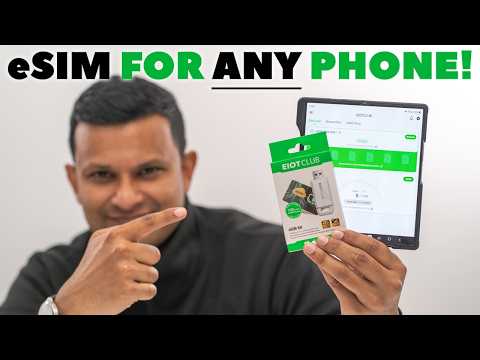
To begin, select your desired prepaid eSIM plan and complete the secure transaction on the provider’s website or app. Immediately after purchase, you will receive your digital eSIM profile delivery via email or within your account dashboard. This profile usually arrives as a QR code or a manual activation code (SM-DP+ address). Simply scan or enter it to download the profile directly to your compatible device. Most activations occur within minutes, and the profile is stored digitally—no physical card is involved.
- Receive a QR code or activation code instantly after payment.
- Download the profile to your device without any physical SIM.
- Check email or provider app for immediate delivery confirmation.
- Activate the eSIM profile in under five minutes with a simple scan.
Installation via QR Code or App: A Quick Walkthrough
Activation typically begins after purchase. For quick prepaid eSIM installation, choose the QR code method: open your phone’s settings, navigate to cellular or mobile network, and select “Add eSIM.” Then scan the provided QR code directly from your confirmation email or provider portal. Alternatively, use the provider’s dedicated app; after logging in, the app will automatically detect and download your eSIM profile onto the device. Follow these steps:
- Install the provider’s app from your app store.
- Log into your account and locate the plan.
- Tap “Install eSIM” or “Activate Now.”
- Confirm the prompt to add the cellular plan.
Both methods finalize within minutes, requiring only a stable Wi-Fi connection during setup.
Where Prepaid Digital SIMs Shine Most
Prepaid digital SIMs, or prepaid eSIMs, shine most in scenarios requiring immediate, short-term connectivity without physical logistics. Their core advantage is instant activation; users can purchase, download, and connect a plan within minutes, bypassing the need for a physical card. This makes them ideal for travel, where arriving at a destination with a working local data plan is critical. Their strongest use case is providing immediate, temporary data access for tourists or business travelers in foreign countries.
A prepaid eSIM eliminates the hunt for a local SIM card at an airport kiosk, allowing connectivity the moment you land.
Another area where they excel is testing a local network before committing to a long-term contract, or for secondary devices like tablets that only need data sporadically during trips.
Short-Term Travel: Avoiding Expensive Tourist Data Plans
For short trips, roaming fees and overpriced tourist SIM cards are a total buzzkill. A prepaid eSIM lets you avoid expensive tourist data plans entirely by activating a cheap, local data package the moment you land. You skip the hunt for a physical SIM and dodge hotel Wi-Fi passwords. Just scan a QR code before you depart, and you’re online for maps, ride shares, and transit info without surprise bills. It’s data freedom for a weekend or week, no strings attached.
Prepaid eSIMs kill roaming fees and tourist SIM scams for quick getaways, giving you instant, cheap data without the hassle.
Business Trips: Keeping Work Numbers Separate Without Dual SIMs
For business trips, a prepaid eSIM provides a seamless method for keeping work numbers separate without dual SIMs. Instead of swapping physical cards, you simply install a second eSIM profile onto your existing device. This allows you to maintain your primary personal line for private calls while using the eSIM data for all work-related communication via apps like Slack or Teams. To set this up effectively, follow this sequence:
- Purchase a prepaid eSIM data plan for your destination.
- Install the eSIM profile via a QR code or app, assigning it to your mobile data slot.
- Disable cellular data on your primary personal line.
- Use work messaging apps over the eSIM’s data connection, leaving your personal number idle for calls.
This approach ensures billing clarity and a clean separation of professional and personal contacts while traveling.

Backup Connectivity for Unreliable Home Internet
For homes with unreliable fixed-line internet, a prepaid eSIM serves as an on-demand failsafe. You install the eSIM before an outage occurs, then simply enable the data profile on your phone to restore connectivity instantly, bypassing the waiting period of physical SIM delivery. This approach allows you to purchase data in small increments, often 1GB or less, to cover short disruptions, rather than committing to a monthly contract. For a seamless workflow, follow this sequence:
- Scan and download your chosen prepaid eSIM profile while home internet is active.
- During an outage, disable the primary SIM slot and enable the eSIM’s cellular data.
- Disable the eSIM data once the home connection returns to preserve your balance.
This method ensures you only pay for emergency network access when your primary connection fails.
Common Pitfalls to Avoid When Going Virtual

A major pitfall when going virtual with a prepaid eSIM is failing to verify device compatibility before purchase, as not all phones support eSIM profiles. Another common error is ignoring the activation instructions, which often require an active Wi-Fi connection for initial profile download. Users frequently install the eSIM before reaching their destination, prematurely starting the data timer. Additionally, neglecting to disable the primary physical SIM for data roaming can lead to unexpected carrier charges, negating the savings of the prepaid eSIM.
Locked Devices and Carrier Restrictions That Block Activation
Before purchasing a prepaid eSIM, confirm your device is unlocked and free from carrier restrictions. A locked phone, typically tied to a specific carrier like Verizon or AT&T, will reject eSIM profiles from other providers, blocking activation entirely. Carrier restrictions, such as SIM locks or software blocks, prevent the eSIM from registering on foreign networks. Some carriers apply these locks even after contract expiry, requiring manual unlocking. Q: How do I check if my device is locked? A: Insert a SIM from a different carrier; if it fails, your device is likely restricted. Always verify unlock status before traveling or switching to prepaid eSIM.
Hidden Fees for Top-Ups, Extensions, or Inactivity
Many travelers hit by unexpected prepaid eSIM penalties only after their data runs dry. Providers often attach hidden surcharges for top-ups—adding $2–$5 simply to reload credit. Extension fees can spike if you miss automatic renewal windows, sometimes costing more than a new plan. Inactivity charges kick in after 30–90 days, deducting your balance for non-use. Scrutinize the fine print before purchasing.
- Top-ups frequently carry a fixed processing fee, so a small recharge may become inefficient.
- Extensions often reset your plan’s validity but include a “reactivation” cost not shown upfront.
- Inactivity fees drain your remaining balance silently if you don’t use data for several months.
Limited Voice or Text Options in Some Plans
Many budget prepaid eSIM plans focus heavily on data, leaving travelers caught off guard by severely restricted voice or text options. You might find that your plan offers no SMS capability at all, or that voice minutes are limited to incoming calls only, making it impossible to confirm hotel bookings or two-factor authentication codes. Always verify that the plan includes at least basic outgoing call and text functionality for your destination. This oversight often forces users into expensive per-minute add-ons or reliance on Wi-Fi calling.
Does my prepaid eSIM include any voice or text capabilities? Not necessarily—many data-only plans exist. You must check the plan’s feature list carefully, as some providers offer a “voice/text add-on” separately. For critical verification codes, having even minimal SMS support is vital.
Future Trends in No-Contract Mobile Connectivity
The traveler lands in a new city, and before the wheels touch down, a prepaid eSIM profile is already toggled on their device. This is the quiet revolution of future trends in no-contract mobile connectivity, where your phone learns your data habits and autonomously swaps between budget-friendly local eSIMs as you cross borders. Instead of hunting for Wi-Fi passwords, you’ll see dynamic plans that activate only when you open a map or stream a video, then pause when idle. The prepaid eSIM becomes a constant companion that adapts to your month of backpacking or a single day of remote work, offering granular control over how many gigabytes you truly use without a monthly commitment hanging over your head.
The Rise of Multi-Network Profiles for Global Use
For global prepaid eSIM users, multi-network profiles eliminate the need to juggle multiple SIMs by allowing a single eSIM to host several carrier profiles simultaneously. When traveling, your device automatically selects the strongest local network from your stored profiles, dropping a weak connection for a stable one without manual intervention. This seamless switching ensures you never tolerate expensive roaming or poor signal during critical navigation or communication. To activate this capability:
- Purchase a multi-network prepaid eSIM plan from a provider like Airalo or Holafly.
- Install the single eSIM profile onto your device via a QR code.
- Enable “automatic network selection” in your device’s cellular settings.
- Let the eSIM’s software choose the optimal local carrier in each country you enter.
Your connection remains consistently fast and affordable wherever you land.
How Operators Are Bundling Services with Digital SIMs
Operators are now weaving entire ecosystems around prepaid eSIMs, bundling essential digital services directly into the connectivity package. Instead of a simple data allowance, you might activate a travel eSIM that includes a virtual local number, discounted ride-sharing credits, and a temporary streaming subscription, all managed from a single app. This approach transforms the eSIM from a static entry pass into a dynamic service hub. The key phrase here is modular Singapore eSIM prepaid service bundles, allowing users to stack on-demand perks like cloud storage or VPN access alongside their core data plan, effectively creating a tailor-made digital toolkit that adapts to their immediate lifestyle needs.
Predictions for Pricing and Data Allowance Shifts
Pricing for prepaid eSIMs is predicted to shift toward hyper-specific, time-bound bundles rather than generic monthly plans, allowing users to pay only for exact durations like 72-hour trips. Data allowance predictions point to dynamic data pools, where unused gigabytes roll over across purchases but with a premium for instantaneous top-ups triggered by app usage. Carriers may introduce micro-transactions for one-off speed boosts on congested networks, while AI will likely adjust per-gigabyte costs in real-time based on a user’s historical top-up patterns.
Predictions indicate prepaid eSIM pricing will become granular with dynamic data pools, micro-transactions for speed boosts, and AI-mediated per-gigabyte costs tied to usage history.